Start Where You Are, Use What You Have
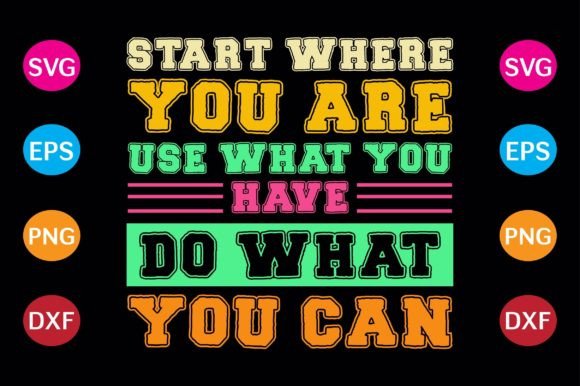
As a designer and embroidery product reviewer, I’ve seen my fair share of digital files that promise a lot but deliver little. The design titled Start Where You Are, Use What You Have is no exception. It’s a back-to-school T-shirt design that comes as a digital download with SVG, DXF, EPS, and PNG files. While the product description is brief, the design itself offers a refreshing approach to embroidery that feels both practical and meaningful.
The First Impression
From the moment I opened the file, the design felt intentional. The layout is clean, with a central text block that commands attention. The typography is simple but effective, making it ideal for a variety of embroidery projects. The theme is uplifting and motivational, which makes it perfect for personalized gifts or handmade products aimed at students, teachers, or anyone starting anew.
The design isn’t overly complex, which is a plus for those who want something quick to stitch. It doesn’t require intricate detailing or high stitch counts, making it accessible for beginners and efficient for experienced embroiderers. The visual personality is warm and inviting, fitting well with casual apparel and home decor items.
Real-Life Embroidery Performance
I tested Start Where You Are, Use What You Have on a custom tote bag design, which is a common project for small business owners and Etsy sellers. The design transferred well to the fabric, and the stitching came out crisp and clear. The font size was appropriate for a medium-sized hoop, so it didn’t require any adjustments in the software.
This design works best on flat surfaces like t-shirts, sweatshirts, and tote bags. It also translates well to patches, aprons, and pillow covers. The simplicity of the design allows it to be versatile across different materials and projects. However, I noticed that the design might not hold up as well on textured or stretchy fabrics, where the stitches could become distorted.
For baby clothes or nursery decor, the design is gentle and unobtrusive. It doesn’t have sharp edges or detailed elements that could be problematic during the stitching process. That said, if you’re planning to use it on a cap or a curved surface, you may need to adjust the hoop size or use a stabilizer to prevent puckering.
Where to Use With Caution
While Start Where You Are, Use What You Have is a solid choice for many projects, there are a few areas where caution is advised. On small hoop sizes, the design may feel cramped, especially if you’re trying to fit it into a limited space. For dark fabrics, the thread color contrast is important—make sure the selected thread complements the background to avoid a washed-out look.
If you're working with thin or stretchy fabrics, consider using a good stabilizer to keep the design from shifting during stitching. The design also has some fine details that could be lost if the stitch density is too low. For commercial embroidery projects, ensure that the design is compatible with your machine and that the file formats provided meet your needs.
Impact on Visual Appeal and Customer Perception
One of the strengths of this design is its ability to elevate a basic item into something special. Whether it's a personalized gift or a boutique product, the message behind Start Where You Are, Use What You Have adds emotional value. Customers often appreciate designs that carry a meaningful message, especially when they’re purchasing for themselves or as a gift.
The clarity of the stitching is another factor that contributes to the overall appeal. A well-executed embroidery project can increase customer trust and encourage repeat business. This design, when stitched properly, maintains a professional look that aligns with brand consistency for small businesses and craft entrepreneurs.
For handmade shops and Etsy sellers, this design offers a great opportunity to create unique, engaging listings. It’s also an excellent option for printable mockups, allowing you to showcase the design before production. The simplicity of the design makes it easy to adapt for different marketing materials or social media content.
Practical Designer Notes
Before using Start Where You Are, Use What You Have in a real project, I recommend testing it on scrap fabric. This will help you assess how the design looks on your specific material and identify any potential issues. Check the thread color contrast, especially if you're using dark or light backgrounds.
Review the stitch density to ensure that the design isn’t too dense or too sparse. Confirm the hoop size required for your machine and inspect the small details to make sure they’re visible and well-defined. Test the design in black and white mockups to see how it appears without color.
Finally, if you’re planning to sell finished products or digital files, double-check the licensing terms. Make sure the design is suitable for both personal and commercial use. For craft businesses, this design can be a valuable addition to your product lineup, offering both functionality and a touch of inspiration.